AI Phone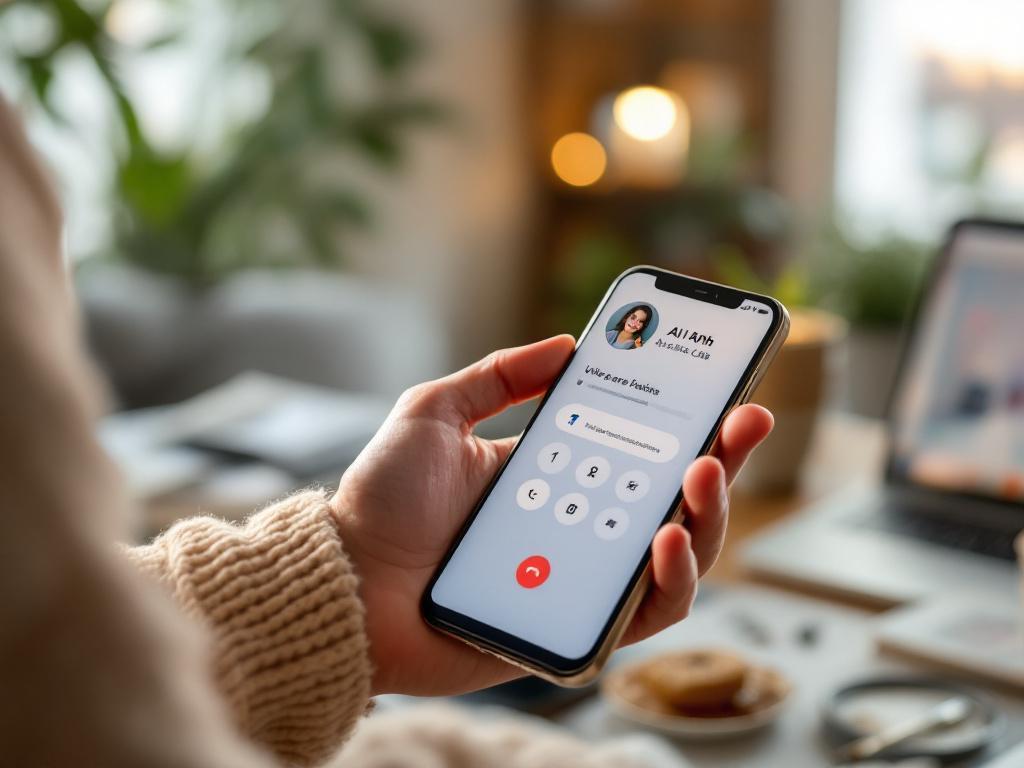
AI Calls: Solving Daily Fights for You
AI Calls solve daily fights with businesses for you, letting you skip the phone tag and arguments.
The Hidden Ways AI Phone Calls Are Changing How We Handle Everyday Disagreements

Have you ever hung up the phone feeling like you just lost a battle of voices? Maybe you were trying to book a table at a fully booked restaurant, or reschedule a doctor’s appointment during a chaotic work week. The back-and-forth with receptionists, the polite but firm negotiations, the sighs you could hear through the receiver—it’s exhausting.
Now imagine letting someone else handle that conversation. Not any someone, but a calm, persistent, unshakably polite assistant who never gets flustered. That’s exactly what AI-powered phone calls are quietly doing for people every day. And the way they’re changing how we resolve small but frustrating disagreements is nothing short of revolutionary.
I’m not talking about robots taking over. I’m talking about tools like AI Phone, where your phone makes calls on your behalf using AI. It doesn’t just dial and wait. It speaks, listens, negotiates, and follows up—all while you’re in a meeting, picking up the kids, or finally getting that coffee you’ve been craving.
Let’s be real. Disagreements over the phone aren’t about life-or-death stakes. They’re about time, dignity, and sanity. And AI calls? They’re quietly winning these little battles for us.
Why Phone Disagreements Are So Draining (And Why We Avoid Them)
You know the feeling. You call a business, and the line is busy. You try again. You get through, and the person on the other end says, “We don’t do that.” Or worse, “I don’t have access to that system.”
Your heart sinks. You could argue. You could demand to speak to a manager. But you’ve got a deadline, a kid crying in the background, or just zero energy for a power struggle. So you say, “That’s fine,” hang up, and vow to deal with it later.
Sound familiar?
Phone disagreements feel personal, even when they’re not. A dismissive tone, a long hold time, or a “no” delivered without effort—it stings. And because we’re social creatures, we often absorb that frustration as our own, even if the person on the other end is just doing their job.
That’s why so many of us put off these calls. We’d rather eat cold food than call a restaurant to fix a reservation error. We’d rather wait in a packed waiting room than argue with the front desk about an appointment time.
But what if you didn’t have to?
That’s where AI-powered calling comes in. It doesn’t take offense. It doesn’t sigh. It doesn’t rush you off the phone. It just… handles it.
How AI Calls Handle the Small Arguments We Hate
Let’s take a real-life scenario: You’re trying to book a table at a popular sushi place on a Saturday night. The host says they’re fully booked. You feel your stomach drop. You were really looking forward to this dinner.
Now, instead of arguing or accepting defeat, you use AI Phone to call them back. The AI doesn’t say, “Sorry, we’re booked.” It says, “Hi, I’m calling for [Your Name]. They’d like to know if there’s a waitlist, or if any reservations have opened up recently.”
The AI listens to the response and follows up: “Would it be possible to add [Your Name] to the waitlist? If a cancellation comes in, could you notify us at [Your Number]?”
No emotion. No judgment. Just clear, persistent communication. And guess what? Often, that call results in a last-minute cancellation and a confirmed reservation.
This isn’t magic. It’s just good old-fashioned persistence, delivered without the emotional baggage we all carry.
Other Everyday Disagreements AI Calls Can Handle:
- Doctor’s offices: “My appointment time doesn’t work. Can we reschedule to a later slot?”
- Salons: “I booked for 3 PM, but I need to change to 4:30 PM. Is that possible?”
- Delivery services: “My order says it’ll arrive by 5 PM, but it’s now 6 PM. Can someone look into this?”
- Customer service lines: “I’ve been on hold for 20 minutes with no update. Can you escalate this?”
In each case, the AI caller stays on the line, keeps the conversation going, and doesn’t take “no” for an answer—without you having to repeat yourself or feel rude.
The Secret Superpower: AI Calls Never Get Frustrated
Here’s the thing about humans: we’re emotional. We get tired. We snap when someone cuts us off. We avoid calls we know will be tough.
AI callers? They don’t have emotions.
They don’t take “I’ll call you back” personally. They don’t feel embarrassed when they have to ask for clarification three times. They don’t sigh when someone says, “Let me check.”
That emotional distance gives them an unfair advantage in resolving mundane disagreements. Because businesses respond better to calm, consistent communication than to frustrated, rushed, or emotional pleas.
For example, imagine calling your gym to dispute a late fee. If you’re in a hurry, you might stumble over your words or sound defensive. The staff member might feel pressured and push back.
But if AI Phone calls on your behalf, it says something like:
“Hi, I’m calling for [Your Name]. There was a $20 late fee on their account on [Date]. They believe this was due to a bank error and would like to have it reviewed. Can you confirm if this is correct?”
No flinching. No rushing. Just facts. And often, that’s enough to get the fee waived without a fight.
When AI Calls Go Wrong (And How to Avoid It)
Of course, AI isn’t perfect. Sometimes, the AI caller might not get the exact details right. Maybe it mishears a time slot or forgets to mention a key piece of information.
That’s why it’s important to set it up correctly. Before you send the AI to make a call, double-check the details:
- Confirm the exact time, date, or issue you want resolved.
- Provide clear instructions for what the AI should say.
- Include your name, account number, or any reference info upfront.
For example, if you’re disputing a bank fee, tell the AI:
“Call [Bank Name]. Say: ‘Hi, I’m calling for [Your Name], with account ending in 1234. There was a $15 overdraft fee charged on [Date]. Could you review why this fee was applied? If there’s a way to waive it, we’d appreciate it.’”
The more specific you are, the smoother the call will go.
Also, remember that AI calls work best for routine issues—reservations, scheduling, account reviews. They’re not ideal for complex disputes or legal matters. Keep it practical, keep it simple, and you’ll get great results.
The Ripple Effect: How Handling Small Disagreements Saves You Mental Energy
Here’s the best part about letting AI handle these small phone disagreements: it frees up your mental bandwidth for things that actually matter.
Think about it. Every time you avoid a phone call because it’s “too much hassle,” that unresolved issue lingers in your mind. You wonder if the reservation was fixed. You worry about the late fee. You stress over the missed appointment.
But when AI Phone takes care of it, that weight lifts. You don’t have to stress. You don’t have to follow up. You don’t have to feel guilty for snapping at a receptionist because you were tired.
You just move on.
And over time, that small shift adds up. You start making more calls. You solve more problems. You regain control of your time and your peace of mind.
It’s not about avoiding human interaction—it’s about reclaiming your energy for the things that truly deserve it.
Try It Yourself: How to Use AI Calls for Your Next Disagreement
Ready to hand off that frustrating phone call? Here’s how to get started with AI Phone:
- Identify the issue. What’s the small disagreement you’ve been avoiding? A reservation? A bill? A scheduling mix-up?
- Write down the key points. What do you want the AI to say? Keep it clear and concise.
- Set up the call. Use the app to input the business number, your message, and any relevant details.
- Let it run. The AI will make the call, hold the line, and follow your instructions.
- Get the result. The AI will notify you of the outcome—no awkward follow-up needed.
For example, if you’re trying to return an online order but the customer service line is always busy, set up an AI call with this script:
“Hello, I’m calling for [Your Name] about order #[Number]. The package arrived damaged. Could you please process a return and refund? I’d be happy to send photos if needed.”
No waiting on hold. No repeating yourself. Just results.
Final Thought: Why This Matters More Than You Think
At first glance, using AI to handle phone disagreements might seem trivial. “So what? It just makes a call for me.” But that’s missing the point.
This isn’t about avoiding effort. It’s about reclaiming your time and dignity in a world that constantly demands more of both.
Every time you avoid a phone call because it’s “too much,” you’re giving away a small piece of your autonomy. Every time you let an AI handle the negotiation, you’re taking it back.
And that adds up.
So next time you’re staring at your phone, dreading the call you have to make, remember: you don’t have to do it yourself. Let AI Phone do the talking.
You’ve got better things to worry about.
Ready to let AI handle your calls?
Start making AI-powered phone calls today. Save time, reduce anxiety, and never miss an appointment.
Get Started